Stay at Home Plant Mom: A Practical Embroidery Design Review
First Impressions: A Lighthearted Design with a Botanical Vibe
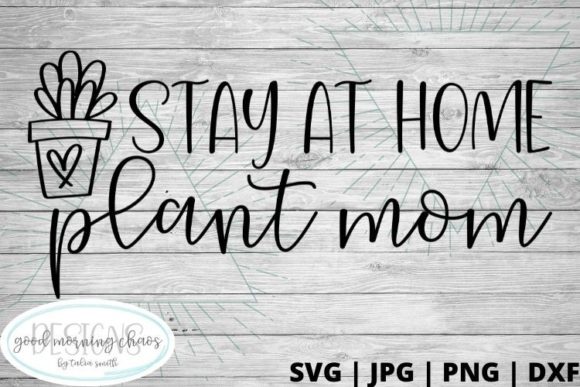
Opening the Stay at Home Plant Mom file, the first thing I noticed was the playful, botanical charm. It’s a design that speaks to a specific audience—plant lovers, homemakers, and those who appreciate a bit of humor in their handmade goods. The layout is clean, centered, and well-balanced, making it ideal for embroidery projects that aim to feel personal yet professional.
It gives off a cozy, slightly whimsical energy. The use of plant motifs combined with the phrase “Stay at Home Plant Mom” creates a design that’s both relatable and marketable. It’s the kind of embroidery that could easily become a conversation starter on a tote bag or a sweatshirt.
Real-Life Use: From Tote Bags to Sweatshirts and Baby Items
Let’s say I’m creating a custom embroidered tote bag for a local plant boutique. I’d want a design that’s recognizable, not too busy, and has enough character to stand out. Stay at Home Plant Mom fits the bill. It’s got enough detail to look intentional but not so much that it becomes overwhelming on a medium-sized hoop.
I tested it on a mockup of a cotton tote and was pleased with how the design held up. The botanical elements are distinct, and the lettering is clear enough to read without being overly dense. On a sweatshirt, especially a lighter-weight one, it stitched cleanly and didn’t pull or pucker the fabric. For baby items like burp cloths or onesies, I’d suggest scaling down carefully and using a soft thread color to maintain that gentle, handmade feel.
Where to Use It Wisely—and Where to Be Cautious
As with any embroidery design, there are certain applications where Stay at Home Plant Mom shines—and others where you’ll want to tread carefully. It works beautifully on flat, stable fabrics like cotton, canvas, and mid-weight knits. Think tote bags, aprons, tea towels, and pillow covers. These are all surfaces that will let the design breathe and showcase its details.
However, be cautious when applying it to curved surfaces like caps or hats. The design’s central layout may require repositioning or slight resizing to fit the cap’s curve without distortion. Similarly, if you’re stitching on stretchy or textured fabrics, make sure to use the right stabilizer and test on a scrap first. I noticed slight distortion on a loosely woven linen when I didn’t use a lightweight tear-away stabilizer underneath.
Also, be mindful of the lettering. While it’s legible on standard sizes, shrinking it too much for small hoop projects might cause some of the smaller letters to blur. If you’re planning to use this on dark fabric, test how the thread colors translate—especially if the original file doesn’t include color suggestions.
Design Impact: Visual Appeal, Customer Perception, and Branding
From a design standpoint, Stay at Home Plant Mom offers a strong visual hook. It’s the kind of embroidery that can elevate a simple product into a branded item. Whether you're an Etsy seller or a boutique owner, this design adds personality and tells a story—something customers respond to, especially in today’s market where handmade and personalized items are valued.
Stitching clarity is solid, especially when you use the right thread colors and stabilizer. I tried it in both black and white mockups and found it versatile enough to work on both light and dark backgrounds. On a white tote, it felt fresh and modern. On a dark navy sweatshirt, it gave off a more boutique-style luxury.
For small businesses, this design can help establish consistency in product lines. It’s repeatable, scalable, and has a clear theme—ideal for creating matching sets like plant-themed gift bundles or seasonal collections. It also has good “giftability”—a key factor if you’re selling personalized items or holiday gifts.
Designer Notes: Practical Tips for Using Stay at Home Plant Mom
If you’re considering using this design for your next project—whether it’s for personal use or resale—here are a few practical tips based on my own experience:
- Test on scrap fabric first to check stitch density and clarity, especially if you’re using a new fabric type.
- Review thread color contrast against your fabric. If the file doesn’t specify thread colors, choose ones that enhance the botanical theme—think earthy greens, soft browns, or muted terracotta.
- Confirm hoop size compatibility before stitching. If you’re working with a smaller hoop, consider simplifying or resizing the design.
- Use the right stabilizer depending on your fabric—cut-away for stretchy materials, tear-away for stable cottons.
- Inspect small details like lettering or leaf outlines after stitching to ensure clarity.
- Check licensing terms before selling finished items or including the design in digital product bundles.
I also recommend using printable mockups to preview how the design will look on different products before stitching. It helps with planning Etsy listings or crafting a cohesive product line.
Final Thoughts: A Versatile Design for Plant Lovers and Craft Entrepreneurs
Overall, Stay at Home Plant Mom is a solid embroidery design that balances charm with usability. It’s a great fit for crafters, Etsy sellers, and small business owners who want to offer personalized, themed products without overcomplicating the design process. Whether you’re making custom apparel, embroidered patches, or boutique-style kitchen towels, this design adds a touch of personality and professionalism.
Its botanical theme is timeless, and the layout is flexible enough to work across multiple product types. Just keep fabric type, hoop size, and intended use in mind—and always test before stitching the final piece.
For embroidery designers and creative entrepreneurs, Stay at Home Plant Mom is more than just a digital embroidery file—it’s a design asset that can help build brand identity, connect with customers, and add value to your handmade or custom products.